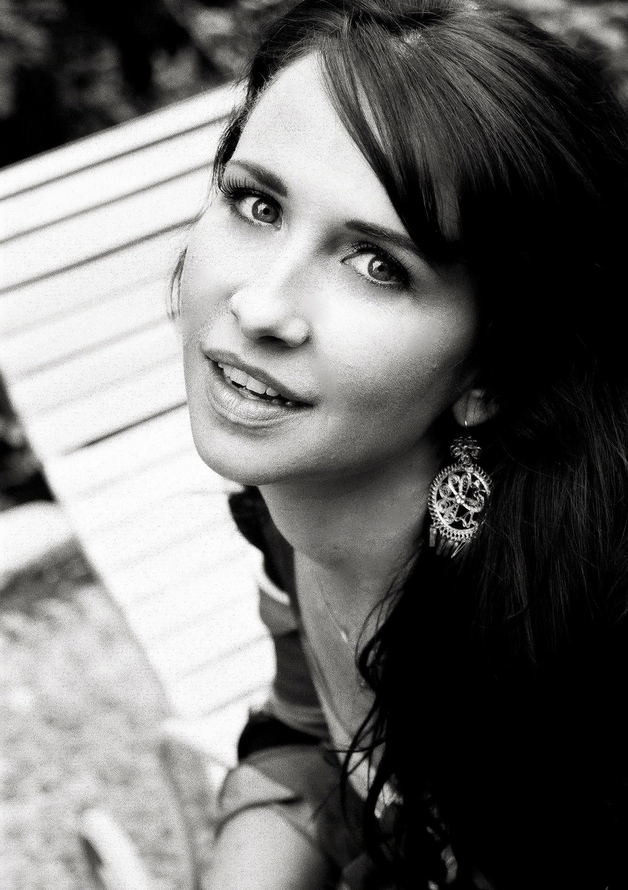
Crafting Award Winning Looks: Costume Designer Janie Bryant’s Journey Through Deadwood, Mad Men & 1923


 YouTube YouTube
 Apple Podcasts Apple Podcasts
 Spotify Spotify
 Goodpods Goodpods
 Amazon Music Amazon Music
 iHeartRadio iHeartRadio
 Podchaser Podchaser
 Overcast Overcast
 PocketCasts PocketCasts
 Castro Castro
 Castbox Castbox
 TuneIn TuneIn
 Deezer Deezer
 Spreaker Spreaker
 RadioPublic RadioPublic
 Pandora Pandora
 Podcast Addict Podcast Addict
 Soundcloud Soundcloud
 RSS Feed RSS Feed
Known for her stunning work on iconic series MAD MEN and her Emmy Award Winning work on Deadwood, Janie shares her journey from a childhood surrounded by textiles to crafting unforgettable looks for the hit show 1923. Discover how family influences shaped her career, the creative process behind designing period costumes, and the challenges of dressing 5,000 extras. Janie reflects on her favorite characters to design for, the importance of authenticity, and the emotional journey of her latest projects.
*Weird, wild episode treat? Listen details about for Janie’s love for socks.
Yes, SOCKS:)
00:00 Welcome!
01:24 Janie Bryant on her family upbringing in the world of textiles
04:05 Janie's surprising passion for women's business suites! 07:06 The beauty of creating with the show creators
11:29 All things Deadwood
12:00 All things Mad Men
15:28 Janie's favorite characters to design for on Mad Men
17:27 All things 1923
But wait!
Get full access to Look Behind The Look at lookbehindthelook.substack.com/subscribe
0:07 Welcome to Look Behind the Look, the celebrated podcast that explores your favorite looks in film, television, and fashion history. Through conversations with the fashion world's elite and award-winning hair, makeup, and costume designers on sets around the world, you will see and hear exciting tales from behind the scenes, career origin stories, and tons of advice and tips. I'm your host, Tiffany Bartok. Hey, everybody. Welcome to Look Behind the Look. I have another Emmy nominee for you. This one is costume designer Jamie Bryant. And she is going to be talking to me about a lot of things this time because her resume is insane. She is an Emmy Award winner for Deadwood. And I know her work from Mad Men.
0:49 She's nominated for her work on Mad Men, which is extraordinary. All her work's extraordinary. But in particular, I respond to the Mad Men work because I just love the show so much. But she's nominated again here for 1923, which you are probably watching. And... And we're going to talk about her work, her career, her beginning in the industry. And I just am really grateful that she shared so much with me. And you're going to enjoy this conversation, too. I am here with Janie Bryant. Hi, Janie. It's so nice to see you. And we're talking, you're an Emmy Award winner already, but we're talking about your nomination this year again for 1923.
1:36 And I want to know everything about you because... I have been diving into you this whole weekend, and you have done such exciting things, and I would love to hear all of the stories, especially your beginning with your family. I was really interested to see that this runs in the family, and I wanted to hear a little bit about that from you. Um, well, are you speaking of when I learned how to sew or my, my family being in textiles? Yes, that's so interesting. You grew up, I'm sure in like a wonderland of textiles.
2:19 And that must have been the inspiration? No, I mean, you know, it's funny, my, my, well, my grandfather on my mother's side, he, he started a sock mill during the depression. And, um, and grew that into an amazing, amazing business. And, uh, one of my favorite jobs when I was a little girl was to go to the sock mill and the socks would be inside out and I would put them on the tube and they would go right side. That was an accomplishment. The socks going through the tube, you know? Oh, how cool is that? Yeah. So that's, you know, I was like, oh, I love this part.
3:02 But, you know, I really didn't want to get into the sock business. Right. My father, he had a sock business too called Bryant Yarns. And he would bring us bins of socks and tights home, you know, every trip he went on. And when I got into college, I didn't realize that people had to pay for their socks. Oh, that's really funny. Because I was like, oh, I guess I have to go buy a pair of socks. What is this? I've never bought a pair of socks before in my whole entire life. He really spoiled us. But yeah, I learned how to sew when I was eight. I started drawing when I was like six years old.
3:45 And if you look in all of my childhood books, I just have drawings everywhere. And so my babysitter taught me how to sew and my mother did as well. And my mother learned how to sew from her mother. Oh, wow. Okay. So this is definitely in the genes. Yes. Where did you study? You studied in London? Am I right? I studied in the South. In the South. Okay. Okay. Yeah, I actually ended up going to four different universities. Oh, wow. I did because when I first started university, I was like, oh, I'm going to study business because I just loved like women's fashion in the business world.
4:33 And so I thought, well, I'll just study business and I'll get a business degree. Oh, isn't that funny? Yeah. It was really because of the clothes, not because. Well, we're the same age. I have noticed. So like, are you talking like working girl? Like, I feel like we were, we were grew up. I'm watching, I'm rewatching Dallas too, with like the sassy business, the Pam Ewing's outfits and everything too. And they were powerful. I never saw Dallas. Oh, Janie, do it now. Do it now. Yes. Yes. I always loved Knotts Landing. That was my other obsession, not slanting. Then you'll love Dallas. Okay, I'll watch it.
5:14 I'll watch it. But I, you know, I soon changed majors. I switched universities. I studied drawing and painting and art history. And, and then my friend who I lived in a complex in Atlanta at that point, and she was going to art school and told me about the American College for the Applied Arts. And that's where I graduated from. I got graduated. my BA from that university. Wonderful. Okay. So that's, that's very forward thinking to think about the, I'm glad that the suits got you into the business of it. That's probably contributed to your longevity in this career for sure is knowing some, some, having some business sense, right?
5:59 But you got, Deadwood was really, was that the breakthrough for you? Was that... I should say my ascending sign is Capricorn. So that's where I really get my business sense. That's so funny. Yes, I'm a Capricorn as well. Capricorn is Libra. So, I mean, I have like both. Balance. I guess so. Yes. So, yes, I mean, Deadwood, you know, I had designed a show with David Milch in new york before he asked me to design deadwood okay okay so you knew him and you guys had the same creative vibe and that brought had him bring you to deadwood i mean yes i mean the show that i designed for him um was a contemporary show the the show before it was called the big apple and um and he uh He was doing a period show, Deadwood, and called me and asked me if I would design that.
7:04 So yeah. How exciting. Is it, is you creating the vision with the creator? Is that the most exciting part? What is the most exciting part for you in a period piece like this? Cause that's your thing for sure. You can, you really nail these worlds, you know, how do you start that process of knowing what the world is going to be? Um, I mean, it kind of varies from each job, you know, it's really about the script and just getting a feeling of the script and what these characters are saying to each other and the period. And, um, that's really my starting point always is from the script.
7:47 And, and I remember so well, um, David Milch had invited me to lunch and I had just read Deadwood and he was like, come to Paramount, have lunch with us. There were a few other executives like in this lunch and, um, I and, you know, I had read the script like so many times. And I had done like all of these illustrations and I brought them to lunch because I was like, oh, my gosh, I just want to show David like all of my illustrations. And, you know, and I was just like passing them around the table. And anyway, everybody loved it.
8:30 You remember that that reaction they were having and that was really validating. Yes. They were just like, um, Oh yes. Okay. I, AC Lyles was at that table. I've met AC Lyles. How funny is that? I have his business card for some reason on my, um, in my office because he was such a sweet man and I always wanted to remember him. Oh my God. Funny is that memory lane? I just loved him so much. You know, he was the, um, AC was the best man of, um, Ronald Reagan.
9:10 I didn't know that. And he also, and he was the best man of, um, I'm going to remember, I'm going to remember, um, uh, an actor anyway i'll remember it and uh and and he ac also had an office in the white house when he did when ronald reagan was president isn't that funny anyway we and you know we just um you know he was he was one of the uh executive producers on deadwood okay And we just became such good friends. He always came to my office to see what I was working on and creating in our Melody Ranch.
10:00 We were shooting at Melody Ranch. And my office was like this... It was almost like an adobe house. And it was so dark. I'm like, I don't even know how I saw anything in there. Wow. Wow. So that really fed the whole vision for Deadwood. It did. I know. But basically, I needed lanterns. I mean, you're a method designer. You're a method... Like thinking back on it, like I really could not see anything, you know, while I'm finding that show.
10:42 Oh my gosh. Everything outside, you know, there was like no lights in that office, but so funny. Oh, that's so funny. I mean, I remember the reception for Deadwood very well. It was a sensation. And then Mad Men came after Deadwood. Yes. And, you know, I have to tell you, like, he would come into my office and he would be like, Janie, you are my Edith head. Oh, I mean, my God, I love this man. That's all you need. That's all you need. Thank you. That's the Emmy right there.
11:27 I miss him a lot. What do you think he recognized in you especially? I, I don't know. I mean, he, I guess because he, uh, he just, he loved my work on Deadwood. Authenticity. He just really appreciated that. And, uh, Anyway, I've missed him a lot, you know, over the years because he passed a few years ago. Yes, yes. Oh, wow. That's so crazy. I love that connection. That's amazing. So Deadwood was a huge success. You definitely, you were the Edith head of the Western world here. AC Lyle says so, okay?
12:07 Yes. He coined it. That's on your IMDb. AC Lyle said so. I love that. And then that led to the most iconic show in fashion, I mean, of our generation, for sure, Mad Men, which you won the Emmy for. And I just would be remiss to not talk to you a little bit about that because it was, of course, one of my favorites. And it was... a sensation as well. And how was that building that world too? And it was very different from the one, the dark one that you were used to for sure. And I know, I know your, your old movies with your mother influenced a lot of, of the direction.
12:51 So what was that creating like? Yes. Well, I won my I won my Emmy for Deadwood. Oh, excuse me. I'm sorry. Yes. And I won two Costume Designer Guild Awards for for Mad Men. Got it. Thank you. I apologize. I have one Emmy. I have one Emmy. Yep. Oh, you know, I when I read that script of Mad Men, I And they had already shot the pilot. Oh, okay. They shot the pilot in New York. And Matthew Weiner wanted to come back to Los Angeles to be with his family.
13:31 I see. And my agent called and said, you know, you should go meet Matthew Weiner because Scott Hornbacher, who I knew from New York, had recommended me. Oh, wonderful. Yeah. to go meet with Matt and also Alan Taylor, who I've worked with in New York. He had directed the Mad Men pilot and he recommended me for Matt to see, for us to meet together. How was that meeting? Yeah, I know, I know, I know. It was like really amazing, you know? And so I read that script and it just, it reminded me of my grandparents and three martini lunches.
14:21 two packs of cigarettes later. And, you know, it's like, there you have it, a 1960s businessman, you know? Yep, boom. So it just felt very familiar, you know, I mean, and my, and my grandmother, I mean, she was like the most immaculate hostess and she, you know, made all of her clothing and she made, she made aprons to go with all of her dresses, all of her cocktail dresses. Wow. And I can't say she was an inspiration for Betty. Betty was a different kind of mother, but definitely in style.
15:03 Yeah, right. You know, it was more, you know, Betty was more like Grace Kelly, my grandmother, and other mixes of different characters, you know, that compiled into one. That was Betty Draper. Oh, my gosh. What an icon. Oh, fantastic. What was one of your favorite characters to design for in that show? Yeah. Definitely Megan. Okay. You know, she, she was like, I'm like, oh my God, you're like my spirit animal. Oh, wow.
15:44 I love that. Yeah, I wasn't expecting you to say that. That's really, really interesting. I love that. You know, it's like every time I would see Jess, Jessica Paré, you know, we would have like these amazing fittings. Oh, cool. You know, and I also, I just love that she was like the first character in Mad Men to wear a miniskirt. Right. Yeah. You know, you know, she's just so beautiful. Right. I bet it shook things up because it was a little ways in. So, you know, you were probably like, OK, I can do something different, you know. Probably.
16:24 But in the beginning of the show, definitely Betty. I mean, she's my favorite to dress, my favorite to design for. You know, and I love January. I'm sure. I'm sure that was a real party. You know, there we I mean, we really became like such a family. Of course. Lovely. You know, we were together for eight years, you know. So it was it was, you know, the stars were aligned and Mad Men was created. Yes, it's something you just can't replicate. It's like one of those Seinfeld things where everything just came together and people tried and tried to, like, make another one, you know, and it's just, you can't replicate that.
17:09 I know. I have to say, like, you know, designing Landman is... very very similar okay very similar you know i was just working on this show and the cast is so wonderful so wonderful it's it's wonderful to be a part of it you know let's talk about 1923 which is stunning and i don't know how you can make this time period stunning because to be honest i i honestly i can't i i I'm not good at history past, you know, before the Mad Men time, really.
17:49 It didn't really ever interest me. And when I look at your work in this show, it's just stunning. And I don't know how you make it so beautiful, something so gritty and, you know, grainy. What do you keep in mind when you're sort of putting this world together? And was it inspired by Deadwood at all? Or are these totally different worlds? I mean, they're totally different periods. Yeah. The 1920s is definitely, you know, such a different period. And also, I mean, this is a difficult period to wear, you know. Why is that?
18:29 Just like the dropped waists. Okay. And also during this period, 1923, the lengths were very long. Right. You know, mid... uh t length it's like you know lower calf and so you know you have like this box shape and you know and and i i mean it's a it's you have to be paperweight then to like wear this period okay and you know for i mean for my sensibility i'm always like Show the waist, show the waist. Sure. Of course. You know, for me, for like my personal, like, oh, just give me a belt and make it tighter, you know?
19:16 Right, right. Cinch it, cinch it. So, but like, you know, for, for, uh, Julia and Liz, I mean, they are just perfectly proportioned for this period and they can wear the clothing and it's just, it's so beautiful on them. And, you know, and that was one of the conversations that, um, Well, let me back up. I really do love the 1920s. I love this period. I think it's so chic and and also very modest. Right. And also very ethereal in some ways, too, because of like the different fabrics that they use during that period.
20:03 And it's also very artsy. Like you can see the workmanship like of the 20s. Right. That makes sense. Oh, yeah. It's like all the different fabrics. It's very. Just like there's so many details with with like the fabrics that they were working with, you know, chiffons and velvets and all these different fabrics that were used during this period, you know, so it's just it's a it's a beautiful, beautiful period. Um, those fabrics sound very difficult to work with. And so are you buying the fabrics that you're creating all of these costumes and you're not buying vintage?
20:46 What's happening? How are they being built? Yes. Yes. Uh, so, well, I, I designed most everything as a cast. Mm hmm. And then I rent things from different costume houses in Los Angeles, like Western costume, American costume, CRC, different costume houses around Los Angeles that are for the film and TV industry. But, you know, like a lot of these, a lot of the vintage clothing is torn. Of course. Right, right, right, right. And like disrepair, it's like no person can wear this garment, you know?
21:30 Right. So, you know, we make a lot of things too in the shop. Okay. Sounds like so much work. There's so many extras and so much detail, like not one detail is overlooked. Yeah. What are some, well, go ahead. I interrupted you. Oh, excuse me. Yeah. 5,000 extras. 5,000 extras. I think there are about 5,000 extras and I love extras. Yeah. I love it. Oh my God. I love the extras. Oh my gosh. That is so rare. I love them. You know why? Because it's like when, you know, when, you know, a a body or an actor comes into, you know, my fitting room.
22:13 I'm like, okay, we're going to be this character. And I like to make up stories for them. Of course. And also they have like such, um, especially in 1923, like their design is so contrasting from what Alex's design is. Okay. You know, because Alex, her character, you know, I talked to Taylor a lot about her character and Alex is the eternal bride as is Liz. They both are. Wow. And so their palette, both of their palettes are very light.
22:54 So it's all about like pale corals, pale pink, pale yellow, pale blue. tan, you know, pale ivory, like all of those pastels play into the palette of those characters. Very interesting. And I just love, I love the contrast. Yeah. Seeing Alex, for instance, going onto that ship and just, You can just see her like through the crowd with the blonde hair. You know, it's just, it's so beautiful. Ethereal.
23:34 Mm-hmm. Mm-hmm. Oh, fantastic. I wonder how... Do you guys, it seems very serious, very, um, you know, intense is, are the days very intense? Do you find time to really let loose and be, can you remember a time like that? That was more, I'm excited. This is going to be fun. This is, we're going to have a good time. Or is that every day? You just make us look like it's intense. I think that's like every day, every day. Great. That's great. Yeah. I love, I love actors and, um, We have so much fun together.
24:15 You know, I feel like, you know, it's just like playing dress up and creating characters, turning actors into characters. It's so fun. What was the biggest challenge for you with this latest season that you did? Definitely, definitely the extras. Mm hmm. I'm sure. And also just getting all the extras. You know, there are so many different extras. Yeah. And also keeping them in contrast with the principal cast.
24:56 Right. And they all have to work together. You know, that's like so important because kind of like the extras are the backdrop, the painting, you know. Right. It can go so wrong. I mean, you see it all the time where someone just was lazy and like it's an afterthought. And I mean, almost, I wonder if it's sometimes the first thing you think of when you're talking about it in a painting, you're, you know, you're really strong with illustration. And I wonder, you speak of it like it's a painting and this is the canvas really for a big scene like that. And what are some of the things that can go wrong, you know, that you maybe, I hope, didn't experience, but try to avoid?
25:42 Well, you know, somebody not period, you know, correctly dressed, you know. Yeah, yeah. Like, I don't know. I always see those things. I'm like, of course, I don't believe that they're not like in like correct period dress, you know? Right. Right. Or if you have like a battle scene and you see the rubber sole on an extras shoe. Oh, wow. Yes. As opposed to leather, like at the bottom of the boot, you know what I'm saying? I mean, I always kind of cringe. Like if I see that, but yeah, But the thing is, like, you never know. You never know in film and TV making.
26:24 You never know what could happen, you know, because you like maybe you don't know they're going to shoot that or have to assume that they're going to shoot everything down to the shoelaces. Right. Right. But I think, I think the biggest challenge, you know, here was definitely with Alex, you know, I, uh, on her journey, it was so much about her losing everything. Uh, and, and that was kind of like her journey in the first season too, how she lost everything. And, um, uh, And it really starts again where she does have, you know, a beautiful travel suit and then she loses everything.
27:11 So it was about like, how do I design these clothing? How do I design her costumes? And we see that, you know, by the end of the show, she... has lost everything, her life, her clothing, everything. How did you illustrate, what specifically did you do to illustrate the loss of everything through the clothing like that? I mean, obviously just, well, tell me. Well, you know, it's like, she starts out on this journey. She's thinking, okay, everything's going to be great. I'm going to find my husband.
27:51 And, you know, she gets on the ship and, it's rocky and cold and damp and, you know, she's going in this world where everything is unknown. And then she gets to this Grand Central Station, and she gets mugged by this man, and everything is ripped and torn. And really, all she has is her coat, really. And when she gets on the train, she grabs the coat and some of her underpinnings, and that's all she has. You know, Alex, all you need is a good coat. Don't you think sometimes you can look really rich in just a coat and a good lipstick, I feel like.
28:35 It's the most economical thing to get. Well, I think she had both of those. It was a salvation. Yes. You can definitely keep up appearances. Nobody knows what you have on under that coat. I know. And thank goodness for Paul and Hillary, really. Right? Right. After I read the script, I kept on saying to Ben Richardson, our director, I kept on saying to him, like, I just think that Paul and Hillary are alcoholics because why would they, why would they want to help her? Why?
29:15 And what's the answer? What was the answer? I still think they were alcoholics. And they're like, we're going to go on this journey. Right, right, right, right, right. Something to do. They're like, we're wealthy. We'll just go on this adventure. Right, right. No, I think actually, you know, after seeing the story filmed, I was like, okay, they are like very wealthy. They, you know, want to help. They have good intentions. They're not. There are people like that out there, right? I feel like when I retire from life, I'll be like that. I'll just pick a wounded bird and go on a journey with them.
29:57 Yeah. You've raised your kids and you need some project, some project. But tell me a little bit now that you're nominated, what kind of nominee are you? Do you get nervous? Do you block it out? What style do you use to sort of mentally get through a time like this that can be really stressful for people or really fun for people? Uh, you know, that's a great question. You know, about, uh, two and a half years ago, I quit drinking and, um, And that, and, you know, and I used to do like a lot of speeches, you know, and do a lot of talks and I'd love to talk to audiences and, and, uh, but before that I used to get really, really nervous because of, you know, because of drinking and, uh, I stopped and, uh, I'm calm.
31:02 Wow, that's amazing. You sort of just give it up, give it up. Yeah, I stopped drinking 20 years ago, too. And things you just sort of like, you just have to give it over. Right. So that's where you're at. No, it's like it's the it's you know what? It's like I have received so many gifts from stopping drinking, you know, and it was never I never had a problem. I was just like, oh, I'm going to stop. And and it's been amazing. Like I take that anxiety out. It does. It's like when it's in your body, you really don't realize what effect it's having on your personality.
31:43 Totally. And, um, and so I, I feel very, very, I feel so thankful that like, that is not a part of my life anymore. And, um, And I don't know, I feel very calm. So I think I'm that kind of nominee. I think I'm a calm nominee. It's the best kind to be. Taking that pressure off and knowing that, I mean, so many amazing things are to come too for you. I mean, you are so busy. You're working on Landman now. Yeah. And, and, and anything else now that you're working on that we should know about and keep our eyes out for. Yeah.
32:24 I'm just, uh, I'm just finishing, uh, lay a man. We finished shooting next week and, uh, it's been, it's been really bittersweet. I feel, yeah, I know I packed up my house this morning and, uh, like, oh my gosh, this show has been so incredible. Oh, wow. Yeah, it's, you know, going back to LA and I'm starting Madison. Okay. Taylor Sheridan's other show. Oh, fantastic. I'm like going right into that. Okay, so you won't have too much time to be sad. You can close the chapter and process it in a normal amount of time.
33:04 Close the chapter, get ready for the Emmys. I have to go back to LA, find a gown. Oh, bye. Yeah. And get ready to do the red carpet for that. Oh, fantastic. I'm so happy for you. It's such a well-deserved nomination. And I'm so happy I got to talk to you about all of your amazing accomplishments, Jane. You're amazing. Thank you. Thank you so much. Thank you. Look Behind the Look is a Vinyl Foot production written by me, your host, Tiffany Bartok. Produced by Jace Bartok, edited by Mugresh Takor. If you're interested in learning more, find our video version on the YouTube channel, Look Behind the Look Podcast.
33:47 There you can see rare photos and clips from our guests. And please follow us on Twitter at Look Behind Pod and Instagram at Look Behind the Look. If you like the show, please rate, review, and subscribe. And tell your friends and spread the word. You can subscribe to us on iTunes or any podcatcher of your choice. Thanks for listening to Look Behind the Look.